Deepfake Scams in India – How to Identify & Stay Safe is quickly turning into one of those topics you hear everywhere—news channels, office discussions, family WhatsApp groups, and even evening chai conversations. And honestly, it makes sense. The way AI has grown over the past year is unbelievable. We’ve reached a point where a video or a voice note that looks absolutely real might not be real at all.
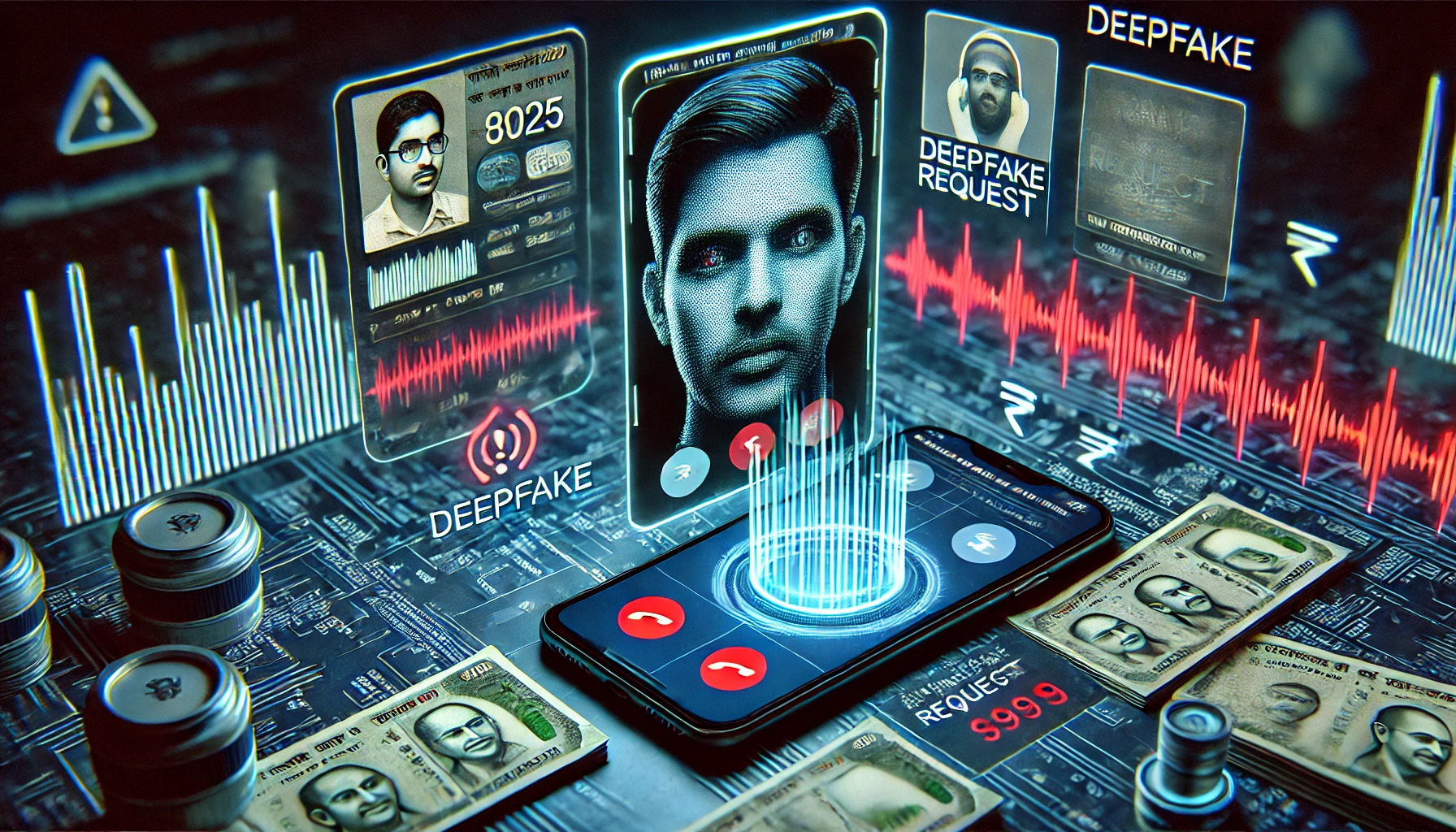
People are getting video calls that look exactly like their parents or their office boss. Someone’s face moves naturally, the voice sounds perfect, and the conversation feels normal—until they suddenly ask for money, an urgent UPI transfer, or an OTP. That’s when the shock hits. It wasn’t the real person at all. It was a deepfake.
What makes this scarier is how little scammers need to pull this off. A single selfie from Instagram or a few seconds of audio from a reel is enough for them to create a convincing fake. And because most of us rely on video calls, digital payments, and social media every single day, Deepfake Scams in India – How to Identify & Stay Safe is becoming more important than ever before.
This guide doesn’t use complicated tech terms. Instead, it breaks down—very simply—how these scams actually work, what warning signs to watch out for, real examples happening in India, and practical tips that anyone can follow to stay safe in 2025.
How Deepfake Scams Work in India
Deepfake scammers use Artificial Intelligence (AI) to create realistic videos, voices, and images of people. Their goal is to build trust first… and then steal money.
Deepfake Video Calls
This is the most dangerous type of scam in India.
Example:
A person receives a WhatsApp or Zoom call that looks exactly like their boss, friend, or family member. The fake video asks for urgent money transfer or sensitive documents.
Voice Cloning Scams
Scammers record a few seconds of your voice from Instagram reels, YouTube videos, or WhatsApp voice notes.
They then clone the voice and make calls like:
“Please send OTP… quick… emergency.”
Fake Government Verification Calls
Deepfakes of police officers, RBI officials, or income tax officers claim:
“You are under investigation. Pay penalty now to close your case.”
Celebrity Investment Scams
Fake AI-generated videos of celebrities like Ratan Tata, Akshay Kumar, or business leaders telling you to invest in a “new scheme.”
Corporate Fraud Using CEO Deepfakes
Employees receive a fake video call from their CEO demanding:
“Transfer funds to a partner immediately.”
Key Points
- Deepfake scams increased by 300% in India since 2023.
- 90% of scams happen through WhatsApp, Instagram, Telegram, and email.
- Scammers need just one photo or short voice clip to clone you.
Deepfakes are used for investment fraud, UPI scams, loan fraud, job scams, and family emergency tricks. - Most victims fall because the deepfake looks extremely real.
How to Identify a Deepfake
Eye Movements Look Unnatural
Eyes may blink too slowly, too fast, or look frozen.
Lip Sync Appears Slightly Off
Words and lip movement don’t match perfectly.
Background Looks Blurry or Flickering
AI struggles to maintain a stable background around the face.
Sudden Payment Requirements
Anyone asking for urgent money on video call → 99% scam.
Grainy or Overly Smooth Skin
Deepfakes often blur skin texture to hide imperfections.
Unusual Lighting or Shadows
Lighting doesn’t match the person’s face or surroundings.
Also Read: What is RBI’s Digital Rupee Explained Simply (2025 Beginner Guide)
How to Stay Safe from Deepfake Scams
Always Verify the Caller’s Identity
Hang up and call back on a confirmed number.
Never trust a video call without verification.
Create a Family “Safety Code”
Decide a secret code word for emergencies.
If someone calls pretending to be a family member, ask for the code.
Avoid Sharing Images/Videos Publicly
Limit what you post on Instagram, Facebook, YouTube.
Use AI Deepfake Detection Tools
Useful tools: Truecaller AI, Intel FakeCatcher, Microsoft Video Authenticator.
Never Send OTP, PAN, Aadhaar, or Banking Info
No government agency asks for personal details on video call.
Slow Down Before Sending Money
Scammers create urgency—take 30 seconds to think.
External Links
- CERT-In Cyber Safety: https://www.cert-in.org.in
- RBI Fraud Awareness: https://www.rbi.org.in
- Interpol Deepfake Alerts: https://www.interpol.int
Conclusion
Deepfake Scams in India – How to Identify & Stay Safe is no longer just a cyber issue—it’s a real-world threat affecting families, employees, investors, students, and business owners. As deepfake technology becomes easier to use, scams are becoming more convincing. But with awareness, verification habits, and basic safety checks, you can protect yourself from most deepfake attacks.
Final Verdict
The rise of Deepfake Scams in India – How to Identify & Stay Safe highlights one powerful truth: knowledge is the best defence. If you stay alert, verify every suspicious call, and never react under pressure, you can avoid even the most advanced digital frauds in 2025.
Key Takeaways
Deepfakes can perfectly mimic your face and voice.
- Most scams happen via WhatsApp and Instagram.
- Always verify the caller with a second call or safety code.
- Never send money based on video or voice alone.
- Deepfake Scams in India – How to Identify & Stay Safe requires awareness and smart digital habits.
If you found this guide helpful, share it with your friends and family—Deepfake Scams in India – How to Identify & Stay Safe must reach everyone. Stay updated with the latest cyber-crime trends by reading our articles on InfoStreamly:
FAQs
1. What are Deepfake Scams in India – How to Identify & Stay Safe?
They are AI-generated video or voice scams used to trick people into sending money, sharing sensitive details, or giving OTPs. Identifying deepfakes requires checking lip sync, eye movement, background quality, and verifying identity.
2. How do scammers create deepfakes?
Using AI tools that require just one photo or a short voice clip. These tools can generate realistic video or voice clones within minutes.
3. Can deepfake video calls be detected?
Yes—look for mismatched lips, strange lighting, blurred background, or robotic voice tone.
4. What should I do if I receive a suspicious video call?
Disconnect immediately. Call the real person on their known number to verify.
5. How can families stay protected from deepfake scams?
Create a secret emergency code, avoid oversharing online, and educate every family member about verification steps.

Chandra Mohan Ikkurthi is a tech enthusiast, digital media creator, and founder of InfoStreamly — a platform that simplifies complex topics in technology, business, AI, and innovation. With a passion for sharing knowledge in clear and simple words, he helps readers stay updated with the latest trends shaping our digital world.