
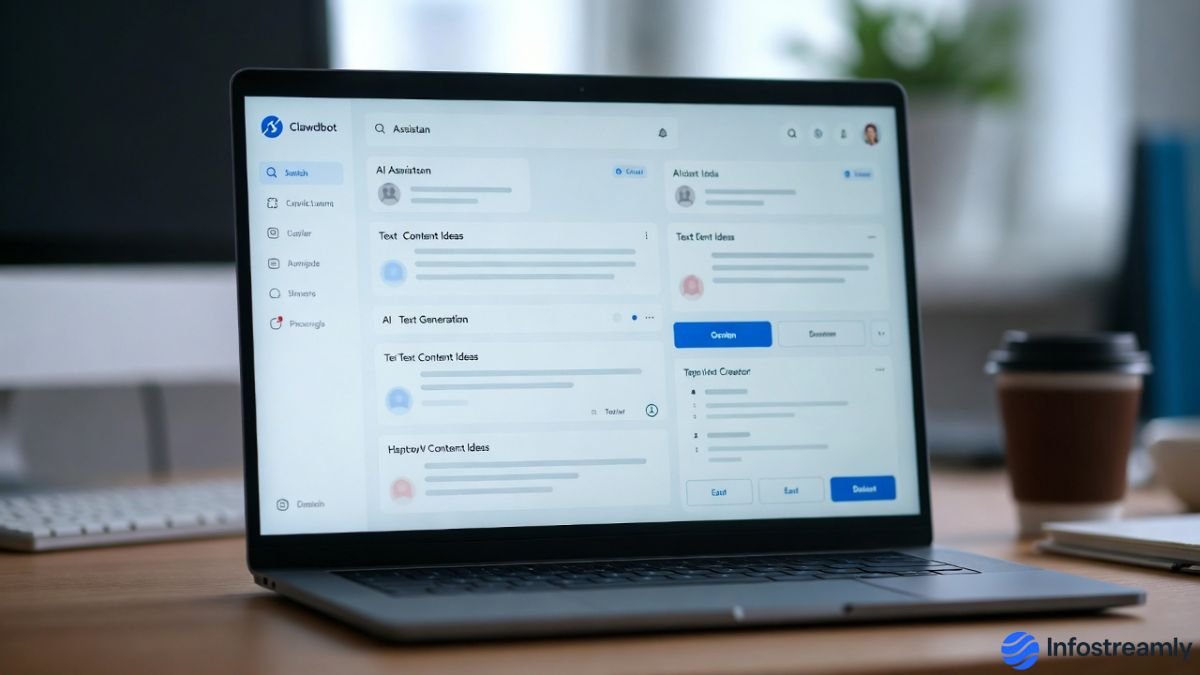
Clawdbot was honestly the first thing that came to my mind when someone casually told me, “Bro, this AI feels kind of different.”
To be honest, I didn’t have big expectations at the start. These days, every new AI tool looks amazing on the surface — shiny website, big claims, and lots of hype. Some people think it’s all just marketing drama, and most of the time, they’re not wrong.
But the real truth is, once in a while, a tool actually surprises you when you use it properly, without rushing. That’s exactly why I decided to test Clawdbot seriously. Not for one hour. Not for one small task. I used it like a normal Indian creator would—daily work, random ideas, quick edits, and even lazy testing days.
I’m not going to explain things in a complicated or over-smart way here. No heavy tech terms, no fake expert tone. I’ll break everything down in a simple, honest, human way… just like how we normally talk.
Introduction
AI assistants are everywhere right now. Writing blogs, answering emails, planning content, coding, and even helping students. But most of them feel… same. You open it, type a prompt, get a clean response, and close it. End of story.
This one felt slightly different from the start. Not perfect, not magical, but different in flow and thinking. To be honest, I was more curious than excited.
I tested it for content writing, idea brainstorming, logic-heavy tasks, and casual help like summarising things. Some results were impressive, some were just okay, and a few made me pause and re-read.
So here’s my full experience, explained like I’m talking to a friend over chai.
Why Clawdbot Feels Different From Typical AI Tools
The first thing I noticed was how the responses felt less “machine-polished.” You know that overly neat, textbook-style AI answer? This didn’t always do that. Sometimes it gave slightly imperfect sentences, small pauses in logic, and a more conversational tone.
That matters more than people realize.
When you’re creating content or solving real problems, you don’t want a robot lecture. You want something that thinks with you, not above you.
Another point — context handling. I tested long conversations, changed topics midway, and honestly expected it to mess up. But it didn’t, most of the time. Not flawless, but better than average.
Some people think AI assistants are only for tech people. But the real truth is, if a tool works for normal users, that’s where its real power is.
More Info: IBM
How Clawdbot Actually Behaves in Real Usage
Now this part surprised me a bit.
Instead of just replying and moving on, it felt like the tool was trying to stay aligned with the conversation’s intent. For example, when I asked for content help, it didn’t jump straight into fancy words. It asked indirectly through its response, adjusted tone, and kept things practical.
I used it for:
- Blog structure ideas
- Rewriting rough paragraphs
- Explaining complex topics in simple words
- Brainstorming content angles
Was it perfect every time? No. Sometimes I had to tweak prompts. Sometimes it is misunderstood slightly. But that’s normal. Even humans do that, right?
More Info: productivity
Key Points From My Testing
- Responses feel more conversational than robotic
- Handles longer context better than many tools
- Doesn’t over-polish everything (which is actually good)
- Works well for creators, bloggers, and students
- Still needs human guidance for the best output
Honestly, I liked that it didn’t try to act “too smart” all the time.
Practical Use Cases (Real-Life)
Let’s be real. Tools matter only if they save time or mental energy.
Here’s where I felt this assistant could genuinely help:
- Content creators: Drafting ideas, outlines, rewrites
- Bloggers: Structuring articles, simplifying explanations
- Students: Understanding topics, summarising notes
- Busy professionals: Quick explanations and planning
Some people think AI will replace humans. But the real truth is, tools like this are better as assistants, not replacements.
Also Read: Why AI Tools Feel Limited but Still Work Better
Conclusion
After spending proper time with this tool, I can say one thing clearly — it’s not just another copy-paste AI assistant.
It has flaws. It has strengths. But most importantly, it feels usable in daily life. And that matters more than big claims.
If you’re expecting magic, you’ll be disappointed. If you’re expecting a helpful, slightly human-feeling assistant, you’ll probably enjoy using it.
Final Verdict
Clawdbot isn’t here to scream, “I’m the best AI ever.” It quietly does its job, supports your thinking, and stays in the background. And honestly, that’s how a good assistant should be.
Not loud. Not fake-smart. Just useful.
Key Takeaways
- Not overhyped, not underwhelming
- Best used with human guidance
- Strong for content and idea-based tasks
- Feels less robotic than many alternatives
FAQs
Is this AI tool beginner-friendly?
Yes, very much. You don’t need technical knowledge to use it.
Can it replace human writers?
No, and it shouldn’t. It’s better as a support tool.
Is it suitable for Indian creators?
Absolutely. Especially if you prefer a more natural tone.
Does it always give correct answers?
Mostly good, but always double-check. Same as any AI.

Chandra Mohan Ikkurthi is a tech enthusiast, digital media creator, and founder of InfoStreamly — a platform that simplifies complex topics in technology, business, AI, and innovation. With a passion for sharing knowledge in clear and simple words, he helps readers stay updated with the latest trends shaping our digital world.