
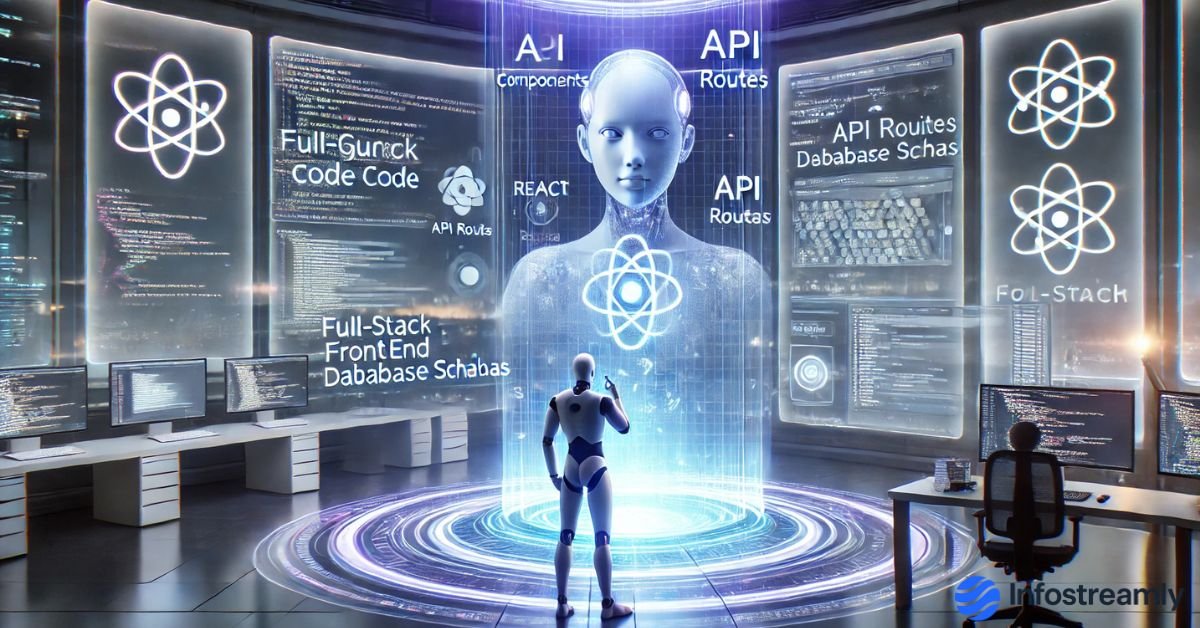
Honestly, when I look back at how we used to build apps before things like Claude Skill Full Stack Applications existed, it almost feels funny. Every project started with the same frustrating routine—not real creation, just juggling tiny setup issues. Some days you spent hours fixing one silly config error; other days you rewrote the same boilerplate you had already written in five older projects. It never felt like “development”; it felt more like housekeeping work. And somewhere in that loop, the excitement of building something new used to get lost.
But with the new workflow emerging in 2025, AI silently stepped in and took over the boring setup part, letting developers jump directly into the actual meaningful features. That small shift changed everything for me.
Why Claude Skill Full Stack Applications Are Changing Everything
My journey into this started casually. I wasn’t planning to replace the way I code. I just wanted a simpler method for building prototype apps faster. But once I experimented with Claude Skill Full Stack Applications, it almost felt like software development got a massive upgrade. Instead of spending two days preparing an initial structure, I saw a complete project appear within minutes. React components, backend routes, folder architecture, database schema suggestions—everything looked clean and usable.
More Info: Prisma
The best part? Claude behaves like a developer who understands context. When I describe an expense tracker, it builds relevant pages. If I ask for a social media tool, it structures feeds, profiles, and notifications. It no longer feels like prompting an AI; it feels like collaborating with a fast, disciplined junior engineer who never gets tired.
How Claude Skill Full Stack Applications Reduce Development Time
I also realized something interesting: the skill doesn’t just build code; it builds learning. Many new developers struggle with full-stack architecture because tutorials show code, not thought process. Claude explains why certain folders exist, how components should be reused, why routes follow a pattern, and how data should flow between pages. Suddenly, architecture becomes clear instead of confusing.
More Info: GitHub
As developers, we’ve all been through the struggle of boilerplate. Setting up authentication, creating protected routes, managing state, writing CRUD APIs, and configuring database connections—it’s essential work, but not the type that sparks joy. When I saw how Claude Skill Full Stack Applications handled these tasks, I felt a sense of relief. It wasn’t about replacing me; it was about freeing me.
Real Benefits of Claude Skill Full Stack Applications in 2025
Of course, the AI output is not perfect. Sometimes it chooses a different naming convention than I prefer. Occasionally it recommends a library I wouldn’t use. And yes, sensitive tasks like authentication tokens, encryption, billing, or analytics require manual review. But these issues feel tiny compared to the time saved. Instead of wrestling with setup, I get to focus on product vision and user experience—things AI cannot understand fully yet.
More Info: Vercel
Another powerful advantage is rapid prototyping. Startups often need demos in two days. Before, that meant sleepless nights. Now? A few instructions and the base app is ready. Founders can test ideas, pivot fast, and validate concepts without waiting for long development cycles. Even internal tools, admin dashboards, or automation panels can be generated instantly, making teams far more agile.
Also Read: 10 Sci-Fi Dreams Became Reality Today
Claude Skillful Full-Stack Applications Are Creating a Cultural Shift
I also noticed a cultural shift. Developers used to debate frameworks endlessly. But now the focus is shifting toward “What can we build quickly, test quickly, and improve quickly?”
AI-generated starters make experimentation cheaper, and experimentation is what leads to innovation.
A deeper impact is seen in education. Students who struggled to understand which file goes where finally get clarity. They see an entire working structure, modify it, break it, fix it, and learn faster. Claude becomes a personal mentor that explains code step-by-step. This reduces intimidation and makes full-stack development more accessible to everyone.
Also Read: Future Smartphones 2030—What We Can Honestly Expect
The Biggest Transformation: Creativity Over Configuration
But the biggest change is psychological. When developers realize that the base structure is no longer a barrier, creativity increases. Instead of dreading the initial setup, they imagine possibilities. Imagine a travel planner app. Build it. A fitness tracker? Build it. A chat app? Build it. The speed removes fear and encourages exploration.
From a productivity angle, the benefits are undeniable. Documentation improves because Claude explains everything clearly. Code review becomes smoother since the structure is consistent. Deployment becomes faster because the project is clean from the start. Even collaborating with teams feels easier because everyone works with the same template.
Claude Skill Full Stack Applications Mark a Mindset Shift
Looking at how the industry is moving, I strongly believe AI-assisted coding will become standard. Not because AI is replacing developers, but because it removes the parts we never enjoyed. Creativity, logic design, problem-solving, debugging, and user understanding—these remain human strengths. AI handles the grunt work; humans handle the intelligence.
When I look at 2025 trends, one thing is clear: the rise of Claude Skill Full Stack Applications is not just a technical upgrade; it’s a mindset upgrade. Developers no longer need to start from zero. We start from a strong foundation and build forward. This shift will influence startups, enterprises, solo developers, educators, and students for years to come.
A New Era of Software Development
In many ways, this reminds me of the early days of frameworks like React and Next.js. At that time, everyone felt productivity jump. Now, that same jump is happening again—but at a much more powerful scale. The difference is that frameworks improved coding. AI improves the coder.
As I continue building apps with this workflow, I no longer feel like I’m coding alone. It’s as if a super-fast assistant sits beside me, generating high-quality scaffolding while I guide the direction. The partnership feels natural, efficient, and honestly, exciting. It signals a future where development becomes more about imagination and less about repetitive typing.
To any developer wondering whether this is hype or reality—just try it once. You will immediately understand why this shift matters. The future of building software is not about working harder; it’s about working smarter. And AI-assisted coding is exactly how that future begins.

Chandra Mohan Ikkurthi is a tech enthusiast, digital media creator, and founder of InfoStreamly — a platform that simplifies complex topics in technology, business, AI, and innovation. With a passion for sharing knowledge in clear and simple words, he helps readers stay updated with the latest trends shaping our digital world.