Introduction
how credit scores work India has become a popular search term these days because, honestly, money matters are getting a bit tricky, right? One small missed payment and suddenly your loan guy starts talking like you committed a crime. Some people think credit scores are complicated, but the real truth is… they’re actually simple once you understand the logic behind them.
Let’s break everything into normal, friendly language—not the typical banking textbook tone.
What Exactly Is a Credit Score? (And how credit scores work india in real life)
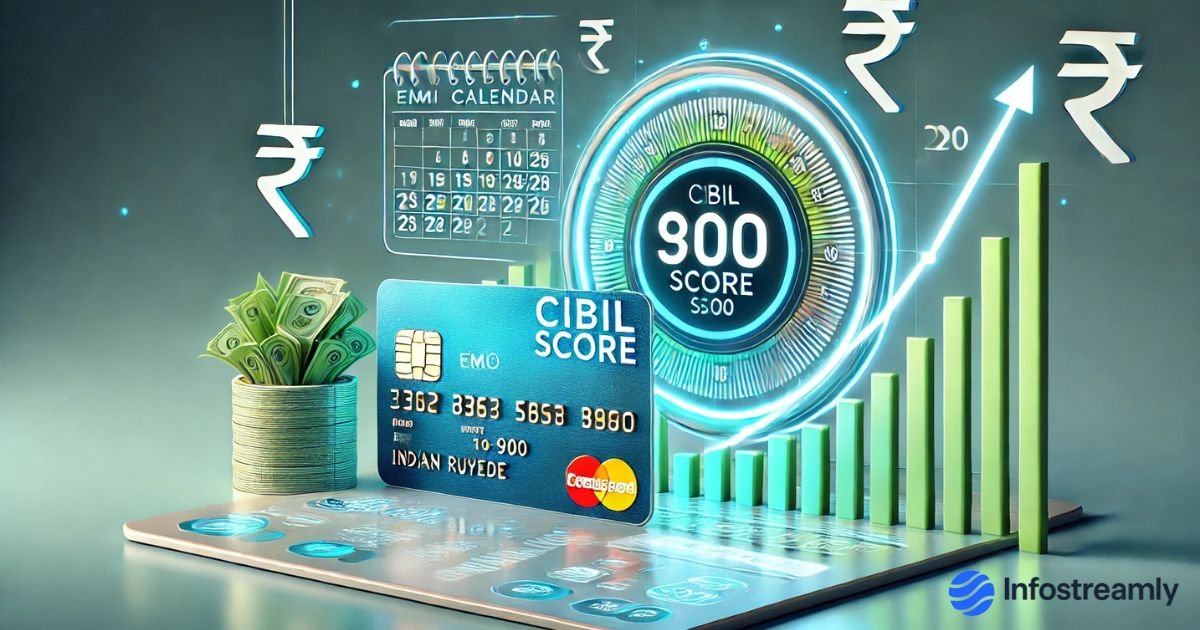
A credit score is basically your financial reputation number.
It shows banks how trustworthy you are with money.
To be honest, it works just like college attendance… if you miss too many classes, your teacher stops trusting you. Here, if you miss EMIs, banks stop trusting you.
In India, scores range from:
- 300 (Very Poor)
- 500–650 (Average)
- 650–750 (Good)
- 750–900 (Excellent): Banks will literally welcome you with open arms.
There are four main credit bureaus in India:
- CIBIL
- Experian
- CRIF Highmark
- Equifax
All follow almost similar rules.
Also Read: Top 10 Indian Banks Using AI & Automation in 2025 | India’s Smartest Digital Banks
How Credit Scores Really Get Calculated (How Credit Scores Work in india full breakdown)
Honestly, this part sounds very technical but is actually super straightforward.
1. Payment History—35%
Whether you pay EMIs and credit card bills on time.
Even one month’s delay can drop your score like crazy.
2. Credit Utilization—30%
How much of your credit limit do you normally use?
To be real, if your limit is ₹1 lakh and you use ₹80,000 regularly… the system panics.
Try to keep usage below 30%.
3. Credit Age—15%
How old your credit accounts are.
Longer history = higher trust.
4. Mix of Credit—10%
Banks like to see both:
- Secure loans (home, car)
- Unsecured loans (credit card, personal loan)
5. Number of Credit Inquiries—10%
Each time you apply for a loan, your score drops a few points.
If you apply too many times, banks start thinking… “Why is this person desperate?”
More Info: RBI
Why Your Credit Score Even Matters in India
Some people think credit score is only useful when you take a loan.
But real truth is… it affects way more things:
- Home loan approval & interest rate
- Car loan interest
- Credit card limit
- Insurance premiums
- Even some employers check your credit behavior
A high score saves lakhs of rupees in interest.
How to Improve Your Score (how credit scores work india practical tips)
1. Always pay on time
Even a 1-day delay is recorded.
2. Keep credit utilisation low
Ideally 20–30%.
3. Don’t close old credit cards
They increase credit age.
4. Avoid taking too many loans at once
5. Check your credit report yearly
Sometimes there are errors, and honestly, they happen more often than you expect.
Common Myths About Credit Scores in India
More Info: CIBIL
Myth 1: Checking your score reduces it
No. Only hard inquiries reduce scores.
Myth 2: Salary affects your score
No connection at all.
Myth 3: Debit card usage improves score
Score increases only through credit behaviour.
Key Points
- How credit scores work in India is simpler than it seems.
- Pay on time → Score goes up.
- Overuse your credit limit → Score drops.
- Long credit history = Strong profile.
- Don’t apply for loans repeatedly.
- Keep a healthy mix of credit.
Conclusion
Understanding how credit scores work in India can literally change your financial life. To be honest, once you maintain a good score, everything becomes smoother — banks stop troubling, interest rates drop, and you get better offers everywhere.
A credit score is not about being rich or poor… it’s simply about being responsible.
Final Verdict
If you take even small steps—like paying on time, using your card wisely, and keeping your accounts clean — you can build a strong financial reputation in India.
And honestly, it gives a kind of peace… because you know banks will not surprise you with rejections.
Key Takeaways
- Credit score = financial trust score.
- Timely EMI and bill payments matter the most.
- Low utilization improves scores quickly.
- Don’t panic if your score drops—it can always be repaired.
- Banks reward good scores with cheaper loans
FAQs
1. What is a good credit score in India?
Anything above 750 is considered excellent.
2. Does checking a credit score reduce it?
No, soft inquiries never reduce scores.
3. How long does it take to improve a bad score?
Around 3 to 6 months with consistent behavior.
4. Can students build credit scores?
Yes, by using a secured credit card.
5. Does a missed EMI permanently affect the score?
Not permanently, but it stays for months unless you build positive history.

Chandra Mohan Ikkurthi is a tech enthusiast, digital media creator, and founder of InfoStreamly — a platform that simplifies complex topics in technology, business, AI, and innovation. With a passion for sharing knowledge in clear and simple words, he helps readers stay updated with the latest trends shaping our digital world.