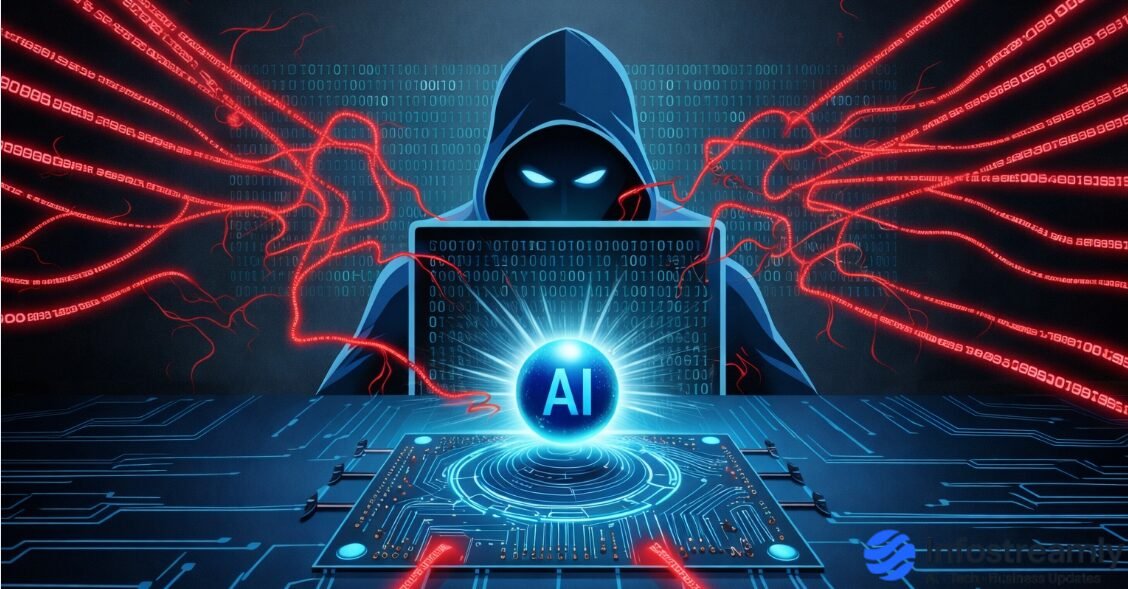

If you actually sit down and think about the Top 10 Online Scams Targeting Indians in 2025, it becomes obvious that things have changed far more quickly than we expected. A few years ago, online fraud mostly meant a random spam call or some “click this link” message. But now? It honestly feels like scammers are two steps ahead of everyone else.
People are getting tricked in ways we didn’t even imagine — fake calls that sound exactly like a family member, videos that look real but aren’t, links that look genuine, and apps that appear trustworthy at first glance. And the scary part? Most scams don’t look like scams anymore.
Because so much of our life has moved online — UPI payments, grocery shopping, courier tracking, job searching, customer care support, everything — these frauds slip into daily life without raising any red flag. Many victims only realise something is wrong after the money is gone or an account stops working. By then, it’s already too late.
That’s why a guide like this becomes useful. Not to scare anyone, but to help you understand what’s really happening, how these scams are fooling people, and what you can do to protect yourself. Whether you are a student handling UPI payments every day, someone working from home, a small business owner, a gamer, or just someone scrolling through social media—knowing about the Top 10 Online Scams Targeting Indians in 2025 will save you a lot of trouble.
AI Deepfake Voice & Video Scams (Most Dangerous)
AI tools have made it extremely easy for criminals to clone voices or faces within seconds. In 2025, thousands of Indians are losing money after receiving fake emergency calls that sound exactly like their family members.
How the Scam Works
- A scammer collects a few seconds of your voice from Instagram, WhatsApp, YouTube, etc.
- They create an AI voice clone.
- They call family/friends, saying, “I’m in trouble; send money.”
- Some use AI video deepfakes during calls.
How to Stay Safe
- Use a family code word for emergencies.
- Never send money based on panic calls.
- Always verify with a direct callback or video call.
Also Read: How to Protect Your Data from AI Scams
Other Major Scams
UPI Request Money Scam
Fraudsters send payment requests pretending to be delivery agents, banks, or friends.
Truth: To receive money, you only need to share your UPI ID — you never have to approve anything.
Fake Govt Job & Work-From-Home Scams
Scammers post fake job ads on Telegram/Instagram offering ₹25,000–₹60,000/month.
Investment Apps & Crypto Scams
Fake platforms show fake profits to convince users to deposit more money.
Online Shopping & Courier Scams
Fake Myntra, Amazon, and Meesho links ask for advance payments or “re-delivery charges.”
KYC/Bank Update Fraud
Victims receive threatening messages like:
“Your bank account will be blocked in 2 hours. Update KYC now.”
Also Read: Top Cybersecurity Threats in 2025
Loan App Harassment Scam
Illegal loan apps steal contacts and photos, then blackmail users.
Matrimony & Dating Scams
Fraudsters build emotional trust and then ask for emergency money.
OTP & SIM Swap Scam
Your phone number gets hijacked by criminals to access banking apps.
Fake Customer Care Numbers (Most Common)
Scammers promote fake support numbers on Google, Facebook & YouTube.
Conclusion
The Top 10 Online Scams Targeting Indians in 2025 prove one thing clearly: cybercriminals are smarter, faster, and more organized than ever. Using AI tools, deepfakes, fake apps, phishing pages, and psychological tricks, they target everyday internet users who trust digital platforms. Staying alert, verifying every message, and using official apps/websites is the only way to stay safe.
Final Verdict
The Top 10 Online Scams Targeting Indians in 2025 highlight that digital convenience comes with digital danger. Indians must adopt a “verify before you trust” mindset and avoid sharing personal details, OTPs, or sensitive information under any circumstances. With awareness and preventive habits, every Indian can stay safe online in 2025 and beyond.
Key Takeaways
- The Top 10 Online Scams Targeting Indians in 2025 involve AI-driven techniques.
- Deepfake voice/video scams are the fastest-growing fraud category.
- Never trust unknown links, apps, screenshots, or calls.
- UPI requests, KYC updates, and OTP calls are 100% scams.
- External verification is the best safety method.
- Use government-approved cybercrime portals for complaints.
- Stay updated, stay alert, and stay secure.
At InfoStreamly, our goal is simple — to keep you informed, aware, and one step ahead of the threats shaping our digital world.
If this guide helped you understand the Top 10 Online Scams Targeting Indians in 2025, take a moment to share it with your friends and family. A single share can protect someone from losing their hard-earned money.
Have you come across a suspicious message, link, or call?
Don’t ignore it.
👉 Report it immediately at: https://cybercrime.gov.in
For more trusted updates, expert breakdowns, and fast, accurate news:
Bookmark InfoStreamly
Follow us for daily alerts
Stay safe. Stay informed. Stay empowered.
For official guidelines and trusted safety information, visit:
- RBI – Official Banking Rules & Alerts: https://www.rbi.org.in
- CERT-In – India’s Cyber Security Response Team: https://www.cert-in.org.in
- Europol – Global Cybercrime Reports: https://www.europol.europa.eu
FAQs
1. What are the Top 10 Online Scams Targeting Indians in 2025?
They include deepfake scams, UPI fraud, shopping scams, OTP fraud, loan apps, fake investments, and customer care scams.
2. How do deepfake scams work?
Scammers clone your voice/face using AI tools and demand emergency money.
3. Can banks call asking for OTP?
No. Banks never ask for OTP, PIN, UPI approval, or passwords.
4. Where should I report online scams?
Report immediately at: cybercrime
- How to avoid UPI scams?
Never approve unknown UPI requests. Receiving money does NOT require approval.

Chandra Mohan Ikkurthi is a tech enthusiast, digital media creator, and founder of InfoStreamly — a platform that simplifies complex topics in technology, business, AI, and innovation. With a passion for sharing knowledge in clear and simple words, he helps readers stay updated with the latest trends shaping our digital world.